Choosing the Right Boho Numbers 3D SVG for Your Crafting Projects
In the evolving landscape of digital crafting, the shift from flat, two-dimensional designs to textured, multi-layered aesthetics has become a defining trend. Among the various styles available, Boho Numbers 3D SVG files have emerged as a versatile resource for creators looking to add depth and sophistication to their projects. Unlike standard cut files that result in a single layer of material, these designs are engineered with multiple layers to create a shadow or stacked effect, mimicking the look of hand-carved wood or intricate paper art. Understanding the specific characteristics of this file type, how it compares to traditional alternatives, and where it fits best in your workflow is essential for making an informed decision before downloading or purchasing.
Defining the 3D Layered Approach
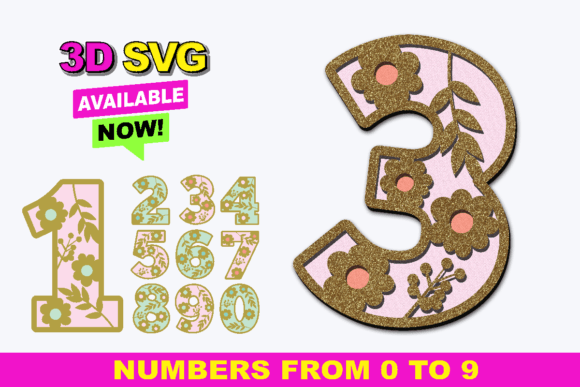
The term "3D" in the context of SVG (Scalable Vector Graphics) cutting files does not refer to actual three-dimensional modeling used in engineering or animation. Instead, it describes a layering technique. A typical Boho Numbers 3D SVG collection includes numbers 0 through 9, but rather than providing a single outline for each digit, the download usually contains a zipped folder with three distinct layered files for every number.
These layers are designed to be cut from different materials or colors and then assembled. The bottom layer often serves as a shadow or base, the middle layer provides the main body of the number, and the top layer might include decorative boho elements like dried flowers, pampas grass, or abstract organic shapes that define the style. This structure allows crafters using software like Silhouette Studio or Cricut Design Space to manipulate each layer independently, offering control over spacing, color contrast, and material selection. The "Boho" aspect specifically refers to the aesthetic—characterized by earthy tones, neutral palettes, and natural motifs—which distinguishes these numbers from bold, geometric, or cartoonish alternatives.
Comparative Analysis: 3D Layers vs. Single-Layer Files
When evaluating whether to use a Boho Numbers 3D SVG set versus a standard single-layer font or shape, the primary trade-off lies between visual impact and production time. Single-layer SVGs are undeniably efficient. They require one pass on the cutting machine, minimal weeding (the process of removing excess vinyl), and immediate application. They are ideal for high-volume production runs, such as creating hundreds of stickers or labeling items where speed is the priority.
Conversely, the 3D layered approach demands more precision. Because the design relies on the alignment of three separate pieces, the margin for error is smaller. If the layers are not perfectly aligned during assembly, the intended depth effect is lost, and the design may look messy. However, the payoff is a professional, boutique-quality finish that single-layer cuts simply cannot achieve. For projects like cake toppers, where the item is viewed up close and needs to stand upright with structural integrity, the layered approach provides necessary thickness and visual weight. Similarly, for apparel, a multi-layer heat transfer vinyl (HTV) design creates a textured feel that elevates a basic t-shirt into a statement piece.
Material Compatibility and Machine Requirements
Before committing to a Boho Numbers 3D SVG project, it is crucial to assess your equipment and material capabilities. These files are optimized for popular die-cutting machines like Cricut and Silhouette, which handle layered designs seamlessly within their proprietary software. The files included in the zipped folder are typically ready to upload, but users of other machines must ensure their software can interpret and separate the layers correctly.
Furthermore, the choice of material significantly influences the outcome. While cardstock is the traditional medium for 3D paper crafts, these SVGs are equally effective with adhesive vinyl, heat transfer vinyl, and even thin wood veneers. When using vinyl, the "shadow" layer is often cut in a darker shade or a contrasting texture (like glitter or metallic) to enhance the 3D illusion. If you are working with fabric, register marks may be necessary to ensure the layers align perfectly during the pressing stage. Users without experience in multi-material projects should anticipate a steeper learning curve compared to simple single-color cuts.
Ideal Use Cases and Practical Applications
The versatility of the Boho Numbers 3D SVG format makes it suitable for a wide array of applications, though some are better suited than others.
- Cake Toppers: This is perhaps the most common application. The layered structure provides the rigidity needed for the number to stand upright on a cake. By using food-safe cardstock or acrylic blanks traced from the SVG, crafters can create durable, reusable toppers for birthdays and anniversaries.
- Apparel and Textiles: For t-shirts, tote bags, and hoodies, the 3D effect adds a premium touch. Using different shades of HTV can create a subtle gradient or a bold pop, depending on the desired aesthetic. The boho elements integrate well with current fashion trends favoring natural and muted tones.
- Stickers and Decals: While more labor-intensive, layering vinyl stickers can create a "puffy" effect without the need for specialty foam pads. This is particularly effective for laptop decals or water bottles where durability and texture are valued.
- Home Decor and Signage: Large-scale versions of these numbers can be cut from wood or thick cardboard to create nursery decor, wedding date signs, or house numbers. The depth created by the layers casts actual shadows when mounted on a wall, enhancing the 3D perception.
Limitations and Decision Factors
Despite their aesthetic advantages, Boho Numbers 3D SVG files are not a universal solution. There are specific scenarios where they may not be the right choice. If you are operating a business with tight turnaround times, the additional time required to weed, align, and press three layers per number might reduce your profitability. Additionally, for very small applications, such as jewelry tags or tiny product labels, the intricate details of the boho elements and the separation between layers may be lost, resulting in a cluttered appearance.
Another consideration is the complexity of the design itself. Boho styles often include fine lines and organic shapes that mimic dried flora. These delicate details can be challenging to weed, especially if using lower-quality vinyl or if the cutting blade is not sharp. Users must be prepared to adjust their machine settings—such as pressure and speed—to accommodate these finer details without tearing the material.
Making the Final Choice
Ultimately, the decision to utilize a Boho Numbers 3D SVG collection comes down to the specific goals of your project. If your priority is speed, simplicity, and mass production, a standard single-layer font or shape file remains the superior option. However, if you are aiming for a high-end, custom look that justifies a higher price point or holds sentimental value as a gift, the layered approach offers unmatched visual depth.
When downloading these files, always verify that the package includes the full range of digits (0-9) and check the file formats to ensure compatibility with your specific software version. Remember that while the digital file provides the blueprint, the final quality depends heavily on your material choices and assembly precision. By understanding the balance between the artistic potential of the boho style and the practical demands of layered cutting, you can effectively integrate these resources into your creative toolkit, ensuring that your final products stand out for their craftsmanship and attention to detail.