Unlocking Creativity with 3D Light Bulb Shadow Box Laser Cut Designs
In the evolving world of digital fabrication and handmade crafts, few projects capture the imagination quite like a 3d Light Bulb Shadow Box Laser Cut. This innovative design concept merges the nostalgia of classic incandescent imagery with modern layering techniques to create depth, dimension, and visual intrigue. Whether you are a hobbyist looking for your next weekend project, a small business owner seeking unique home decor inventory, or a professional designer exploring new textures, understanding the mechanics and potential of this multilayer design is essential.
The core appeal of the 3d Light Bulb Shadow Box Laser Cut lies in its ability to transform flat materials into a sculptural piece of art. By utilizing precise laser cutting technology or even manual craft cutters like Cricut, creators can stack multiple layers of material—typically wood, acrylic, or heavy cardstock—to simulate the glowing filament and glass structure of a light bulb. The result is a "shadow box" effect where light and shadow play across the different depths, creating a dynamic visual that changes depending on the viewing angle and ambient lighting.
The Anatomy of a Multilayer Design
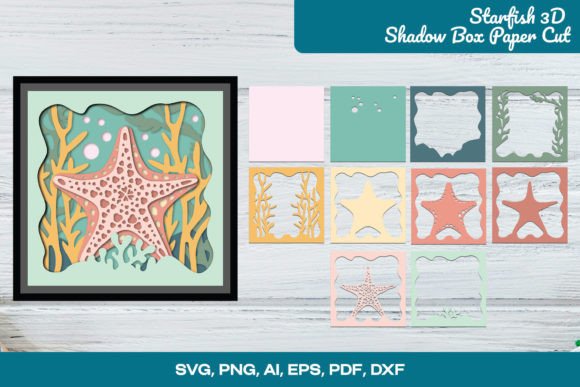
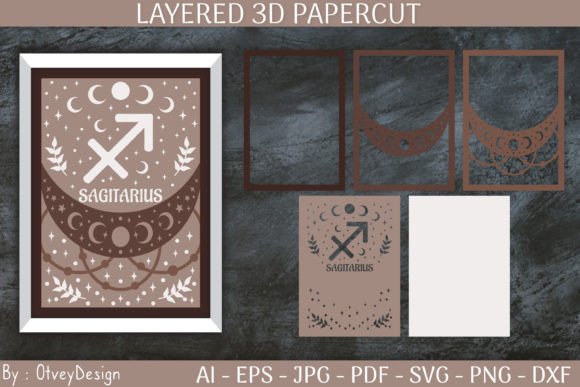
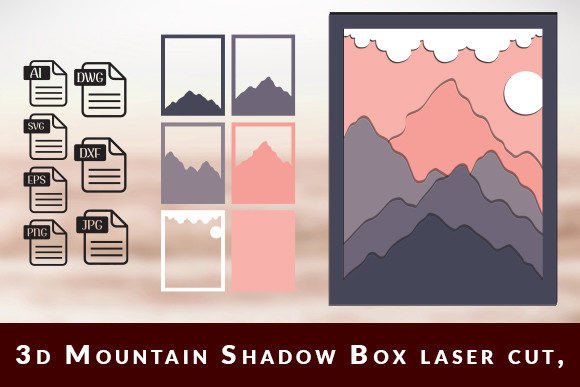
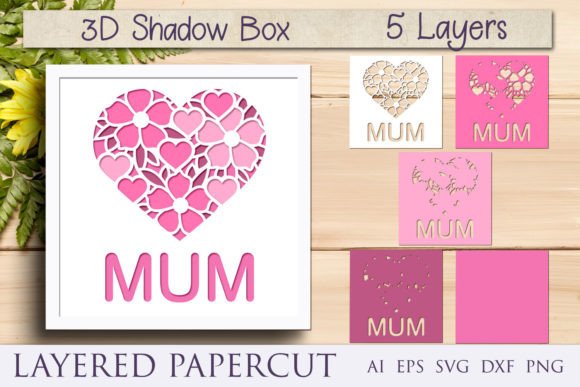
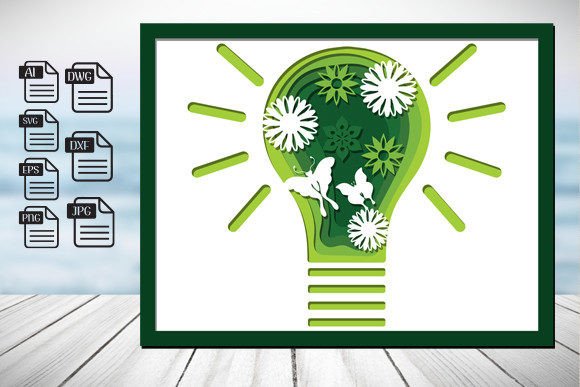
To truly appreciate the value of these files, one must understand what goes into a successful Layered Laser Cutting project. A standard 2D cutout provides a silhouette, but a 3D shadow box relies on the strategic removal and retention of material across several planes. In the context of a green light bulb shadow box, for instance, the design might feature a dark outer frame, a mid-layer representing the glass contour, and inner layers depicting the intricate filament structure.
When you acquire a high-quality package for a 3d Light Bulb Shadow Box Laser Cut, you are not just getting an image; you are receiving a blueprint for construction. The magic happens in the spacing. Professional designs account for the thickness of the material (often referred to as kerf compensation in laser cutting) to ensure that when the layers are stacked, they fit together seamlessly without gaps or excessive friction. This attention to detail is what separates a amateur craft from a polished, gallery-ready piece.
The "green light bulb" variation specifically offers a unique aesthetic opportunity. Green symbolizes growth, eco-friendliness, and innovation. Using this color palette in a shadow box can make the piece particularly suitable for offices focused on sustainability, science classrooms, or modern living spaces that embrace biophilic design principles. The layered approach allows the green tones to vary in intensity, with deeper layers appearing darker and top layers catching more light, adding a sophisticated gradient effect without needing to paint the material.
Comprehensive File Compatibility and Versatility
One of the most significant advantages of purchasing a professional-grade design package is the sheer variety of file formats included. Creators often work in different ecosystems; a user with a Glowforge has different needs than someone using Adobe Illustrator or AutoCAD. A robust file pack for a 3d Light Bulb Shadow Box Laser Cut typically includes:
- SVG FILE: The gold standard for web-based cutters like Cricut and Silhouette. It preserves vector data, ensuring clean lines regardless of scaling.
- DWG FILE & DXF: Essential for engineering and architectural applications. These files can be used in CAD and Autodesk applications, allowing for precise modifications to dimensions or integration into larger mechanical assemblies.
- AI Vector Files: Native Adobe Illustrator files that offer maximum editability for graphic designers who wish to alter the node paths or integrate the bulb into a larger branding composition.
- EPS FILE: A universal vector format compatible with a wide range of legacy and modern design software, ensuring long-term accessibility.
- HIGH PNG FILE & JPG FILE: Raster images useful for previewing the design, creating marketing mockups, or using in non-vector workflows like sublimation printing.
- PDF FILE: Ideal for quick printing on standard paper for prototyping or for sending to clients who need a non-editable proof of the design.
This diversity ensures that whether you are a tech-savvy engineer using Autodesk to plan a large-scale installation or a casual crafter using a home cutter, the 3d Light Bulb Shadow Box Laser Cut files are ready to use immediately. There is no need for complex conversion processes that often degrade file quality.
Practical Applications and Real-World Scenarios
The utility of a Layered Laser Cutting design extends far beyond simple wall decoration. Consider the following scenarios where this specific design shines:
- Educational Environments: Science teachers can use the assembly process of a light bulb shadow box to teach students about electricity, filaments, and the history of innovation. The 3D aspect makes the internal components visible in a way a diagram cannot.
- Corporate Branding: Tech startups and innovation hubs often use the light bulb as a metaphor for ideas. A custom-made 3D shadow box in company colors (like the green variant) serves as a powerful reception desk feature or a gift for investors, symbolizing bright ideas and sustainable growth.
- Home Decor and Lighting: When backlit with LED strips, the cut-out layers of the shadow box create a stunning lamp. The light filters through the varying depths, casting intricate shadows on the wall behind it. This transforms the object from a static sculpture into a functional light source.
- Event Signage: For maker faires, STEM conferences, or art exhibitions, these designs can be scaled up to create large-format signage that draws attention through its texture and depth.
Evaluating Suitability and Material Considerations
While the 3d Light Bulb Shadow Box Laser Cut is a versatile project, success depends on selecting the right materials and understanding the limitations of your equipment. For laser cutters, 3mm or 4mm plywood and MDF are popular choices due to their ease of cutting and natural aesthetic. Acrylic offers a modern, translucent look that interacts beautifully with light but requires careful power settings to avoid melting edges.
If you are using a die-cutting machine like a Cricut, thick cardstock or chipboard is the medium of choice. In this scenario, the "shadow" effect is achieved by stacking many thin layers rather than using fewer thick ones. It is crucial to evaluate the complexity of the design against your machine's capabilities. Intricate filament details in the center of the bulb may require a high-precision laser to cut without burning the surrounding material.
Furthermore, consider the finishing process. A raw cut might look rustic, but sanding, staining, or painting the individual layers before assembly can elevate the final product. The beauty of having access to AI vector files and DXF formats is that you can separate the layers digitally to create stencils for painting each tier a slightly different shade, enhancing the 3D illusion even further.
Maximizing Value Through Customization
The true power of owning the source files for a 3d Light Bulb Shadow Box Laser Cut is the ability to customize. Unlike buying a finished physical product, owning the SVG FILE or DWG FILE means you control the scale. Need a miniature version for a jewelry pendant? Scale it down. Need a four-foot tall installation for a lobby wall? Scale it up, provided your machine bed size allows for tiling or you have access to a larger industrial cutter.
Business owners can also leverage these files for product personalization. By modifying the base layer in Adobe Illustrator, one could add a monogram, a date, or a company logo beneath the light bulb design, creating bespoke gifts or awards. This adaptability makes the investment in a comprehensive file pack highly cost-effective over time.
Conclusion
The intersection of art and technology is vividly represented in the 3d Light Bulb Shadow Box Laser Cut. It is a project that challenges creators to think in three dimensions while utilizing two-dimensional tools. With the right files—ranging from EPS FILE formats for designers to DXF for engineers—the possibilities for creation are boundless. Whether utilized for educational purposes, commercial decor, or personal artistic expression, the layered approach offers a depth of character that flat designs simply cannot match.
As you embark on your next fabrication journey, remember that the quality of your output is often dictated by the quality of your input files. Ensuring you have access to a full suite of formats guarantees that you are never limited by your software or hardware choices. If you have any questions regarding file compatibility, material suggestions, or specific customization needs for your project, please send us a message. We are dedicated to supporting creators in bringing their visions to life. Thank you for visiting and exploring the potential of layered design.