Unlocking Creativity: A Complete Guide to Starfish 3D Shadow Box Paper Cut Files
In the vibrant world of modern crafting, few techniques capture the imagination quite like 3D shadow box paper cutting. This art form transforms flat sheets of paper into dimensional masterpieces that play with light, depth, and perspective. Among the most popular subjects for this technique is the starfish, a symbol of oceanic beauty and regeneration. For crafters looking to dive into this hobby or expand their existing portfolio, understanding the role of digital cutting files is essential. These files serve as the blueprint for creating intricate designs using machines like the Silhouette Cameo or Cricut Explore, bridging the gap between digital design and tangible art.
What Exactly is a 3D Shadow Box Paper Cut?
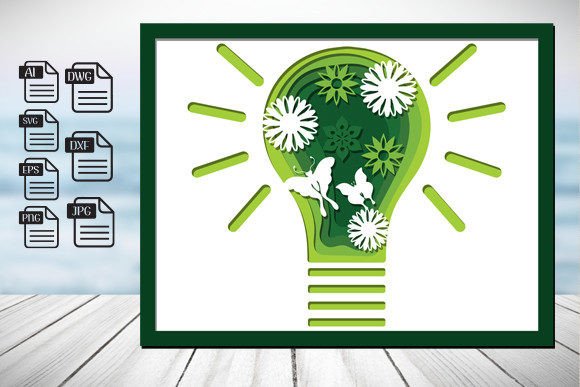
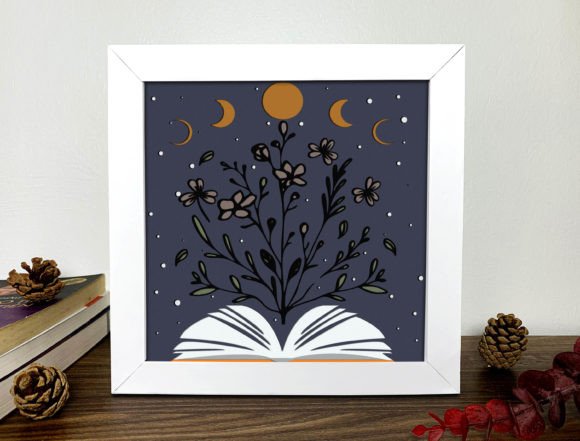
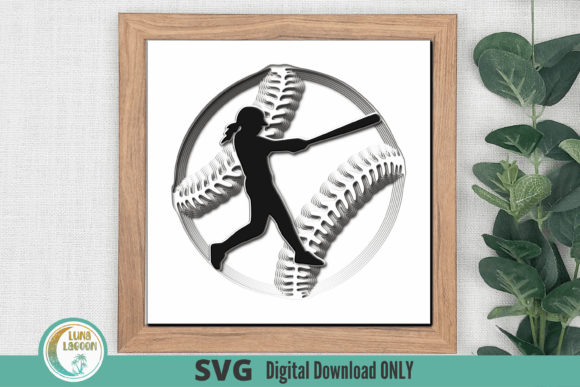
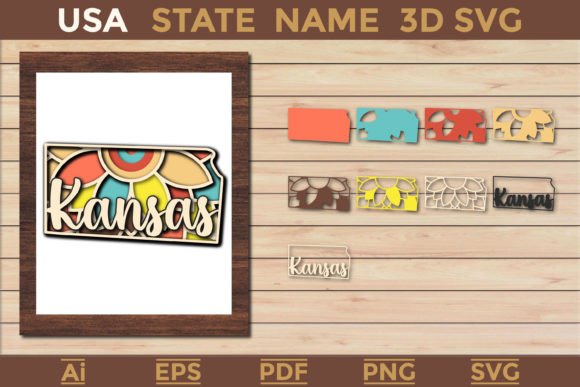
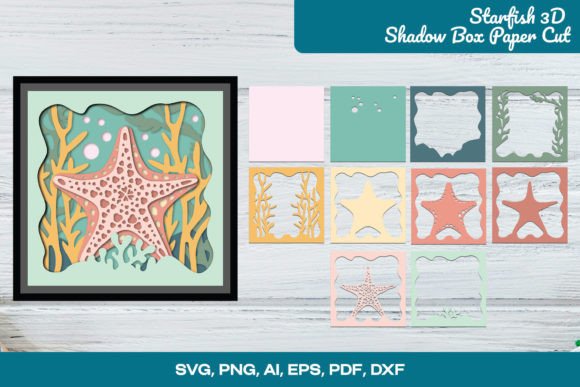
At its core, a 3D shadow box paper cut is a layered artwork. Unlike traditional scrapbooking where elements might be glued down flat, a shadow box utilizes spacers—often made of foam, cardstock strips, or specialized adhesive—to separate layers of paper. This separation creates actual physical depth, allowing shadows to fall naturally across the design. When light hits the piece, it highlights the contours of the cutouts, giving the image a lifelike quality.
The starfish is a particularly compelling subject for this medium. Its five arms offer natural symmetry, while the texture of its skin provides an excellent opportunity for detailed layering. By stacking different shades of blue, teal, and sand-colored paper, an artist can simulate the look of a starfish resting on the ocean floor or floating in a sunlit tide pool. The result is not just a picture, but a miniature diorama that draws the viewer in.
The Role of Digital Cutting Files in Modern Crafting
Gone are the days when creating such intricate designs required hours of manual cutting with an X-Acto knife. While hand-cutting is a valid and respected skill, digital cutting files have revolutionized the industry by making complex designs accessible to everyone. These files contain vector paths that tell a cutting machine exactly where to slice, score, or draw.
When you purchase a design package, such as one featuring a starfish shadow box, you are essentially buying the intellectual property and the technical data needed to reproduce the design infinitely. This is crucial for small business owners who sell handmade cards, home decor, or greeting invitations. It ensures consistency in every product they create, maintaining a professional standard that is difficult to achieve with manual methods alone.
Decoding the File Formats: What You Actually Get
One of the most confusing aspects for beginners is the array of file formats included in a typical download pack. A comprehensive package usually includes CS6 AI, CS6 EPS, PNG, JPEG, DXF, SVG, and PDF files. But why so many? Each serves a specific purpose in the workflow of a crafter or designer.
- SVG (Scalable Vector Graphics): This is the gold standard for users of Silhouette Studio Developer Edition and Cricut Design Space. SVG files retain their quality no matter how much you resize them, making them perfect for projects ranging from tiny gift tags to large wall art.
- DXF (Drawing Exchange Format): Often used by those with the basic, free version of Silhouette Studio. While slightly less smooth than SVGs, they are universally compatible with CAD software and many cutting machines.
- CS6 AI and EPS: These are professional-grade vector files intended for users of Adobe Illustrator. They allow for deep customization, letting advanced users tweak nodes, change stroke weights, or integrate the starfish design into larger composite illustrations.
- PNG and JPEG: These are raster images. A 300ppi PNG is vital for sublimation printing or for users who want to print the design on a standard inkjet printer and then use a "Print then Cut" feature on their machine. The high resolution ensures crisp edges without pixelation.
- PDF: A universal format that is excellent for viewing the design on any device without specialized software. It is also frequently used for printing templates directly.
Understanding these formats empowers you to choose the right tool for your specific machine and skill level. It removes the barrier to entry, ensuring that whether you are a tech-savvy graphic designer or a hobbyist with a basic cutter, you can bring the project to life.
Practical Applications Beyond the Craft Room
While the immediate application of a starfish shadow box file is clearly decorative crafting, the utility of these designs extends further. In the realm of education, teachers can use these layered cuts to teach students about marine biology, symmetry in mathematics, or the physics of light and shadow. Building a 3D model helps kinesthetic learners grasp concepts more effectively than a flat textbook image.
For small businesses, these files are inventory assets. A crafter can produce a batch of beach-themed wedding invitations, baby shower decorations, or summer sale signage in a fraction of the time it would take to design from scratch. The ability to scale production without sacrificing quality is a significant competitive advantage in the handmade marketplace.
Furthermore, in interior design, personalized 3D art adds a unique touch to homes. A framed starfish shadow box created from high-quality cardstock can serve as a focal point in a bathroom, a nursery, or a coastal-themed living room, offering a custom look that mass-produced store-bought art cannot match.
Common Misunderstandings and How to Avoid Them
A frequent misconception among new crafters is that downloading the file means the project is instant. In reality, the file is just the map; the journey requires material selection and assembly knowledge. Another assumption is that all machines read all files equally well. As noted earlier, knowing the difference between SVG and DXF is critical to avoiding frustration at the cutting mat.
Additionally, some users believe that 3D effects come solely from the cut. However, the magic of a shadow box lies in the assembly. Proper spacing is key. If layers are too close, the shadow effect is lost; if they are too far apart, the structure may become unstable. Using the right adhesive and spacer thickness is just as important as the precision of the cut itself.
Building a Broader Understanding of Digital Creativity
The ecosystem surrounding digital cut files represents a fascinating intersection of technology and traditional artistry. It democratizes design, allowing individuals without formal training in illustration to create professional-grade work. By utilizing pre-made designs like the starfish shadow box, crafters can focus on the tactile joys of material selection, color theory, and assembly, rather than getting bogged down in the technicalities of vector drawing.
This shift allows for a deeper appreciation of the creative process. It encourages experimentation. Once a crafter masters the assembly of a single starfish design, they often feel confident enough to modify colors, mix patterns, or combine multiple elements to create something entirely new. This iterative process is the heart of creativity.
Moreover, supporting designers who create these files fosters a healthy creative economy. When you leave a star rating or follow a designer after enjoying their work, you contribute to a community that values sharing and innovation. This feedback loop encourages artists to continue producing high-quality, diverse content, ensuring that the library of available resources continues to grow and evolve.
Conclusion: Diving Into Your Next Project
The journey from a digital file to a finished 3D shadow box is a rewarding experience that blends precision engineering with artistic expression. Whether you are drawn to the serene imagery of a starfish or the technical challenge of layering paper, the tools available today make it easier than ever to start. By understanding the file formats, respecting the assembly process, and appreciating the versatility of these designs, you can unlock a world of creative possibilities.
Remember, every great project starts with a single cut. With the right files in hand—be it AI, SVG, or PNG—and a bit of patience, you can transform simple sheets of paper into stunning works of art that bring joy to your home or your customers. So, fire up your cutting machine, select your favorite ocean hues, and let your creativity make waves.