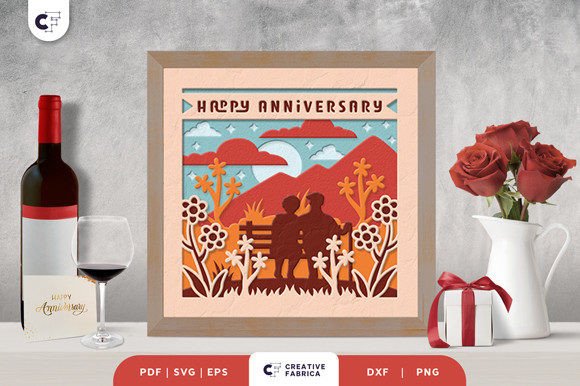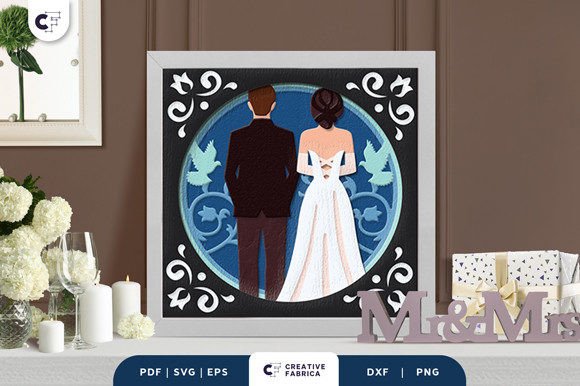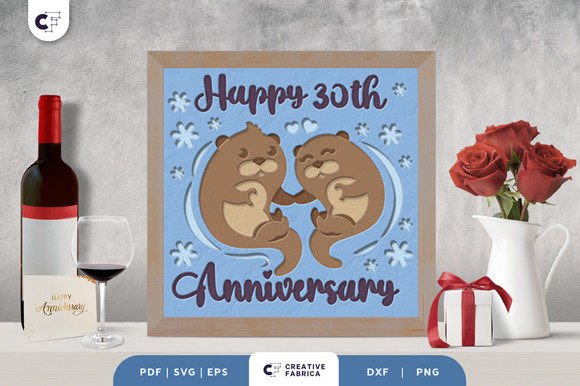
Celebrating Love in Layers: The Art of the Happy Wedding Anniversary 3D Shadow Box
In an era where digital communication often replaces tangible connection, there is a profound resurgence in the value of handmade, physical gifts. Among the most captivating trends in modern crafting and gifting is the Happy Wedding Anniversary 3D Shadow Box. This is not merely a card or a framed photo; it is a layered architectural piece of art that tells a story through depth, light, and shadow. For creators, entrepreneurs, and hobbyists alike, understanding the appeal and mechanics of these layered paper cutting templates offers insight into shifting consumer preferences toward personalized, experiential products.
The concept behind a 3D shadow box is rooted in the traditional art of papercutting, but it has evolved significantly with the advent of digital design and precision cutting technology. What was once a labor-intensive process requiring hours of meticulous hand-cutting can now be achieved with remarkable precision using files designed for machines like the Silhouette or Cricut. However, the charm remains in the assembly—the human touch required to glue, layer, and frame the final piece. This blend of digital efficiency and analog craftsmanship is exactly why these projects resonate so deeply with today's audience.
The Evolution of Personalized Gifting
Gift-giving habits have undergone a quiet transformation over the last decade. While convenience once drove the market toward mass-produced items, there is now a growing appreciation for uniqueness and emotional resonance. People are increasingly seeking gifts that reflect thoughtfulness and effort. A Happy Wedding Anniversary 3D Shadow Box fits perfectly into this narrative. It serves as a bespoke tribute to a couple's journey, capturing the essence of their celebration in a format that is both visual and tactile.
This shift is particularly relevant for small business owners and freelance creators. The demand for customizable, high-quality digital assets has skyrocketed. Customers no longer just want a product; they want the ability to participate in its creation. By offering templates in versatile formats such as SVG, PDF, EPS, PNG, and DXF, designers empower users to adapt the project to their specific tools and skill levels. Whether a user owns a high-end cutting machine or prefers the traditional route of an art knife and scissors, the accessibility of these files ensures that anyone can create a professional-looking result.
Furthermore, the trend aligns with the broader "maker movement," where individuals take pride in creating their own decor and gifts. This cultural shift supports a sustainable approach to consumption, encouraging people to invest in durable, meaningful items rather than disposable goods. A shadow box, when crafted with quality materials like Encore Cardstock 80 lb cover (216 gsm), becomes a heirloom piece that can be displayed for years, contrasting sharply with the fleeting nature of digital greetings.
Technical Versatility and Creative Workflow
From a practical standpoint, the utility of a layered square paper cutting template lies in its flexibility. The standard size of 20.32×20.32 cm is ideal for standard framing options, yet the digital nature of the SVG file allows for resizing while maintaining the aspect ratio. This scalability is crucial for professionals who may need to adapt a design for different client needs or display contexts without losing the integrity of the intricate details.
The typical design consists of six distinct layers. Each layer contributes to the overall depth and narrative of the piece. When assembled, these layers create a parallax effect that changes as the viewer moves, adding a dynamic quality to a static image. For those integrating this into a business workflow, the ability to offer variations—such as changing color schemes to match a couple's wedding palette—adds significant value.
Assembly requires basic supplies: glue or double-sided tape and patience. The process itself is meditative, appealing to adults looking for a creative outlet that reduces stress while producing a tangible reward. For educators and workshop leaders, these templates serve as excellent teaching tools for introducing concepts of depth, layering, and structural design in art classes. The clear separation of layers in the digital files makes it easy to guide students or customers through the construction process, ensuring a successful outcome even for beginners.
Enhancing Display Options: From Wall Art to Light Boxes
One of the most exciting aspects of the Happy Wedding Anniversary 3D Shadow Box is its dual potential as either a framed wall decoration or an illuminated light box. By inserting LED strips between the layers during assembly, creators can transform the piece into a glowing centerpiece. This adaptation taps into the popular trend of ambient lighting and cozy home decor.
The interplay of light and shadow in a backlit version highlights the intricacies of the cut designs, casting soft shadows that enhance the three-dimensional effect. This feature makes the shadow box particularly suitable for evening events, romantic dinners, or as a nightlight in a nursery or bedroom. For marketers and bloggers, showcasing both the day and night versions of the product can significantly boost engagement, as it demonstrates versatility and maximizes the perceived value of the template.
It is important to note, however, that the final appearance can vary based on external factors. As with any physical craft project, the actual product color may slightly differ from preview images due to lighting sources and the specific paper color chosen. Transparency about these variables builds trust with customers and manages expectations effectively. Recommending high-quality cardstock, such as the featured Encore Cardstock, ensures that the layers hold their shape and the colors remain vibrant, preventing the common issue of warping or fading that can occur with cheaper materials.
Market Implications for Creators and Entrepreneurs
For entrepreneurs in the crafting niche, the rise of 3D shadow boxes represents a viable revenue stream. Selling digital templates allows for a passive income model with low overhead costs. Once the design is created and tested, it can be sold repeatedly without the need for inventory management or shipping logistics. This model appeals to freelancers and side-hustlers looking to monetize their design skills.
Moreover, the community aspect of crafting cannot be overstated. Platforms dedicated to sharing projects and tutorials foster a sense of belonging among users. When a creator purchases a template, they are often joining a larger conversation, sharing their finished works on social media, and inspiring others. This user-generated content acts as powerful organic marketing, driving further interest in the original design. Business owners who engage with this community, offering support and showcasing customer creations, can build strong brand loyalty.
The relevance of these templates also extends to the event industry. Wedding planners and coordinators are constantly seeking unique favors or decor elements for anniversaries and renewals of vows. A DIY shadow box kit could serve as an interactive activity at such events, allowing guests to contribute to a collective piece of art or take home a personalized memory. This application broadens the target audience beyond individual hobbyists to include corporate clients and event professionals.
Practical Recommendations for Success
To maximize the potential of a Happy Wedding Anniversary 3D Shadow Box project, attention to detail is paramount. Here are a few practical considerations for anyone undertaking this craft:
- Material Selection: Always use cardstock with sufficient weight, such as 80 lb cover (216 gsm), to ensure the layers stand apart and do not sag over time.
- Precision Cutting: If using a machine, ensure blades are sharp and settings are calibrated for the specific paper type to avoid tearing delicate bridges in the design.
- Adhesive Choice: Use foam adhesive squares or rolled double-sided tape between layers to create consistent spacing. Liquid glue can sometimes warp the paper if applied too heavily.
- Lighting Integration: When building a light box, test the LED placement before final assembly to ensure even illumination and avoid hot spots that might distract from the design.
- Framing: Choose a deep-frame shadow box frame that accommodates the total thickness of the six layers plus any lighting elements.
Ultimately, the Happy Wedding Anniversary 3D Shadow Box is more than just a craft project; it is a medium for expressing love and celebration in a deeply personal way. It bridges the gap between technology and tradition, offering a satisfying creative experience that results in a lasting keepsake. As the demand for meaningful, handmade items continues to grow, these layered templates stand out as a testament to the enduring power of creativity in connecting people.
Whether you are a seasoned designer looking to expand your portfolio, a small business owner seeking new product ideas, or a hobbyist searching for the perfect gift, exploring the possibilities of 3D paper art opens up a world of artistic expression. The journey from a digital file to a glowing, multi-layered masterpiece is a rewarding one, reflecting the care and intention that define the best kinds of gifts.
Note: For those interested in sourcing high-quality materials, many creators recommend visiting specialized cardstock shops to find papers that meet the specific weight and texture requirements for optimal results. Ensuring you have the right foundation for your project is the first step toward creating a stunning final piece.