Integrating the Floral Chick Head 3D Shadow Box Papercut into Your Creative Workflow
In the realm of modern crafting and small-scale product design, the transition from a digital concept to a tangible asset requires more than just artistic vision; it demands a streamlined process. The Floral Chick Head 3D Shadow Box Papercut represents a specific type of digital asset that bridges the gap between seasonal thematic planning and physical execution. For professionals, hobbyists, and entrepreneurs managing creative projects, understanding how to integrate such templates into an existing workflow is essential for maximizing efficiency and maintaining high-quality output. This spring-themed paper cut template is not merely a standalone image but a component of a broader production cycle involving file management, material selection, and assembly logic.
Understanding the Asset in a Production Context
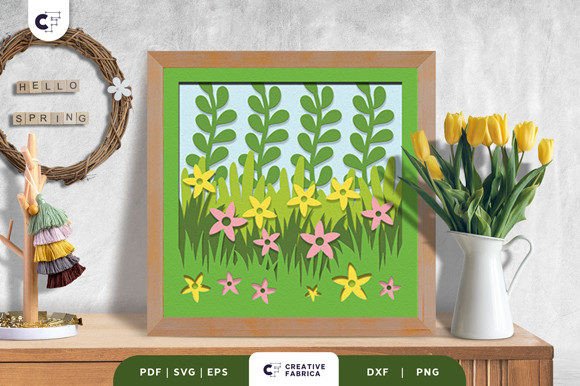
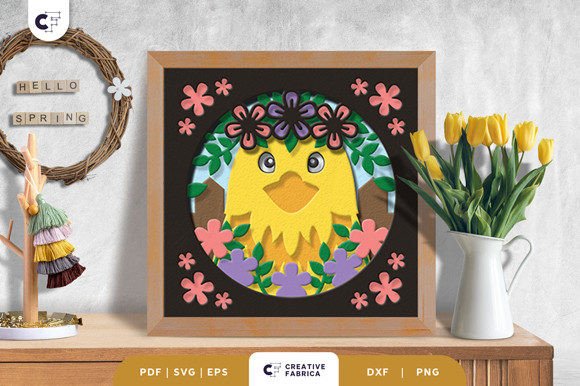
At its core, the Floral Chick Head 3D Shadow Box Papercut is a multi-layered digital file designed for precision cutting machines. Unlike standard 2D illustrations, this asset is engineered with depth in mind. The design features a sweet chick adorned with a floral crown, surrounded by intricate flowers, leaves, and fences that contribute to the three-dimensional effect when assembled. The inclusion of ten distinct layers allows creators to manipulate spacing and shadowing, which is critical for achieving the desired aesthetic impact.
When evaluating this asset for a project, the first step is compatibility verification. The template is provided in a comprehensive suite of formats: SVG, PDF, EPS, PNG, and DXF. This variety ensures seamless integration regardless of the software or hardware ecosystem you operate within. Whether your team utilizes vector-based design tools like Adobe Illustrator or CorelDRAW, or relies on direct-to-cutter software such as Cricut Design Space or Silhouette Studio, the file structure supports immediate deployment. The availability of these formats eliminates the need for time-consuming conversions, reducing the risk of data loss or path errors that often plague less versatile assets.
Strategic Planning and Pre-Production
Effective implementation begins before the cutting machine is even powered on. Incorporating the Chick with Floral Crown 3D Paper Cut into your schedule requires a clear definition of the end goal. Are you producing limited-edition holiday decor for an e-commerce store? Creating personalized gifts for clients? Or perhaps developing educational materials for a workshop on paper engineering? The versatility of this shadow box allows it to fit into various scenarios, but each requires a different preparatory approach.
For business owners and marketers, timing is a crucial variable. Since this is a spring-themed design, integrating it into your content calendar or product lineup should occur well in advance of the season. This lead time allows for prototyping, photography, and marketing campaign development. By treating the digital file as a raw material rather than a finished product, you can allocate resources for testing different color palettes and cardstock textures. The design's complexity, featuring detailed flora and fencing elements, benefits from a "test cut" phase. This quality control step ensures that the intricate paths render correctly on your specific machine settings before committing to a full production run.
Material Selection and Specifications
The physical outcome of a 3D shadow box project is heavily dependent on the substrate used. The structural integrity of the ten-layer assembly relies on cardstock that is thick enough to hold its shape yet thin enough to be cut precisely. The recommended specification for this project is Encore Cardstock 80 lb cover (216 gsm). This weight class provides the necessary rigidity to maintain the spacing between layers without collapsing, which is vital for preserving the 3D illusion.
When sourcing materials, consistency is key. Variations in paper thickness can alter the cutting depth required, potentially leading to incomplete cuts or excessive blade drag. For those looking to standardize their supply chain, utilizing a reliable source for 12×12 cardstock ensures uniformity across batches. Click here to visit the 12×12 Cardstock Shop to explore compatible materials; this is a paid link at no extra cost to you, offering a direct route to supplies that match the technical requirements of the template. Aligning your material procurement with the designer's recommendations minimizes waste and rework, directly impacting your project's profitability and timeline.
Execution and Assembly Workflows
Once the files are loaded and materials are prepared, the execution phase focuses on precision and organization. With ten separate layers, the potential for confusion during assembly is significant if a systematic approach is not adopted. A practical workflow involves labeling each layer immediately after cutting. Using a lightbox or a backlit surface can assist in aligning the intricate details of the floral crown and the surrounding foliage. The "fences" and leaf elements act as structural spacers; their placement dictates the depth of the shadow box, so careful attention to the layering order is mandatory.
For educators or workshop leaders, this project serves as an excellent case study in spatial reasoning and fine motor skills. The process of assembling the Spring 3D Shadow Box can be broken down into manageable stages: base preparation, mid-layer adhesion, and final framing. This modular approach allows multiple participants to work on different sections simultaneously, fostering collaboration while ensuring that the final assembly remains consistent. For freelancers fulfilling custom orders, documenting the assembly process through photos or video can add value to the deliverable, providing clients with care instructions or serving as content for social media promotion.
Optimizing for Scale and Consistency
Scaling production from a single unit to a batch requires rigorous organization. The file size of 20.32×20.32 cm is optimized for standard 12×12 inch mats, allowing for efficient nesting if multiple units are cut simultaneously. However, when increasing volume, monitoring blade wear and mat stickiness becomes critical. Dull blades can fray the edges of the 216 gsm cardstock, compromising the clean lines necessary for a professional finish. Implementing a maintenance schedule for your cutting tools ensures that the hundredth unit looks as crisp as the first.
Furthermore, consistency in adhesive application is vital for 3D structures. Using foam tape or silicone bumpers between layers creates a uniform gap, enhancing the shadow effect. In a commercial setting, creating a jig or template for adhesive placement can significantly speed up the assembly line while maintaining quality standards. This attention to detail transforms a simple craft project into a premium product suitable for retail environments or high-end gifting.
Long-Term Utility and Adaptability
The value of the Floral Chick Head 3D Shadow Box Papercut extends beyond a single seasonal campaign. Because the files are delivered in editable vector formats (SVG, EPS, DXF), they offer long-term adaptability. Designers can modify colors, resize elements, or extract specific components like the floral crown for use in other projects. This flexibility allows businesses to repurpose assets across different marketing channels, from physical merchandise to digital graphics, maximizing the return on investment.
Moreover, mastering the workflow associated with multi-layer shadow boxes builds institutional knowledge. The skills developed in managing ten-layer assemblies—such as file organization, material testing, and precise assembly—are transferable to more complex future projects. Whether you are a blogger creating DIY tutorials, a small business owner expanding your home decor line, or a parent organizing a creative activity, the processes refined through this project contribute to a more robust and efficient creative operation.
In conclusion, the Floral Chick Head 3D Shadow Box Papercut is more than a decorative item; it is a tool for practicing disciplined creative production. By approaching its integration with a focus on preparation, material compatibility, and systematic assembly, creators can achieve professional results that resonate with audiences. The combination of a charming spring theme with a technically sound file structure makes it an ideal candidate for both immediate implementation and long-term portfolio development. As you plan your next creative endeavor, consider how such assets can streamline your workflow and elevate the quality of your final output.