Bringing Easter to Life: The Art and Craft of 3D Shadow Box Paper Cutting
Easter is a season deeply rooted in tradition, symbolizing renewal, hope, and the vibrant arrival of spring. For centuries, families have decorated their homes with eggs, flowers, and pastel colors to celebrate this joyous occasion. However, in recent years, the way we approach holiday decor has evolved from simple flat decorations to immersive, multi-dimensional art pieces. At the forefront of this creative revolution is the Decorative Easter Egg 3D Shadow Box SVG. This digital design format allows crafters, both novice and experienced, to transform a simple sheet of paper into a stunning, layered masterpiece that captures the essence of the holiday with intricate detailing and depth.
Understanding the 3D Shadow Box Concept
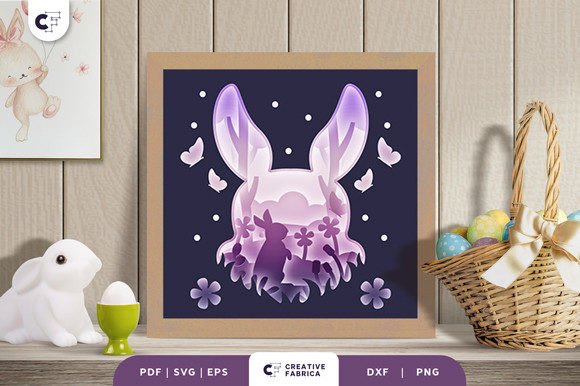
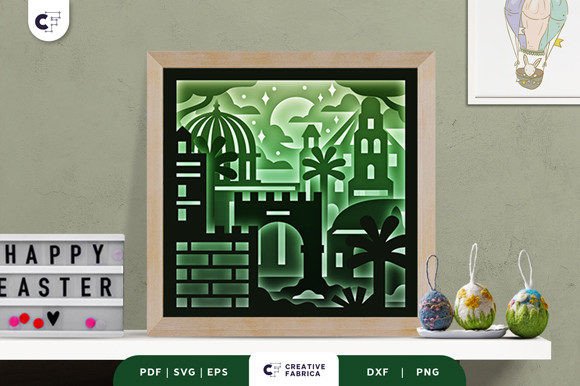
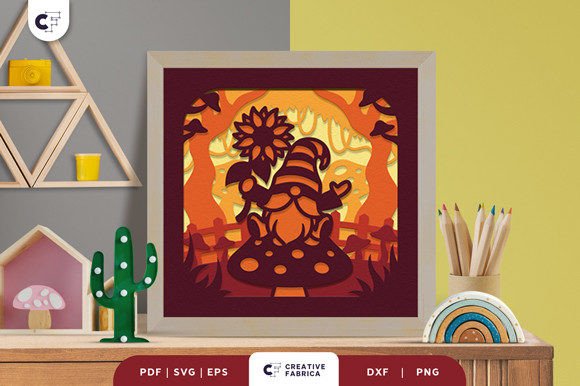
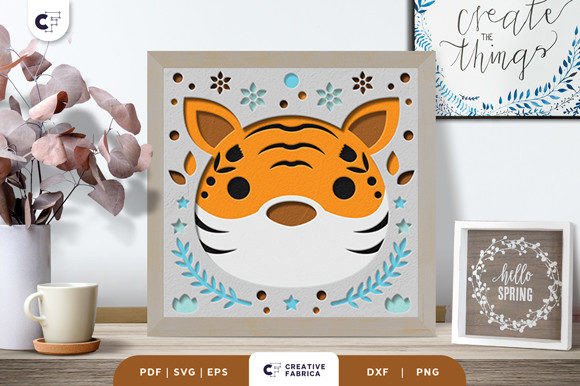
To truly appreciate the magic of an Easter Egg 3D Shadow Box, one must first understand the mechanics behind shadow box papercutting. Unlike traditional two-dimensional crafts where an image sits flat against a surface, a shadow box utilizes depth to create a scene. By stacking multiple layers of cardstock, separated by small spacers or foam adhesive, artists can create a illusion of three-dimensionality. Light enters the frame and casts soft shadows between the layers, enhancing the contours of the design and making elements appear to pop out toward the viewer.
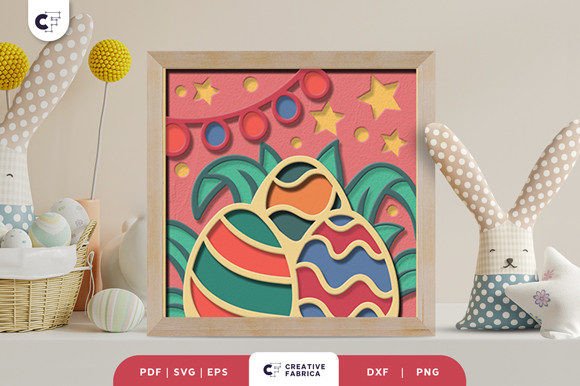
The Easter Egg 3D SVG specifically leverages this technique to showcase the iconic symbol of the holiday: the egg. In this specific design context, the artwork typically features three painted eggs, each adorned with its own unique pattern. These are not merely drawn on paper; they are constructed through precision cutting. The design often includes an array of festive embellishments—such as blooming flowers, swirling vines, or delicate ribbons—that surround the central eggs. When assembled correctly across 10 different layers, these elements come together to bring the scene to life, creating a collectible piece of art that feels tangible and dynamic.
The Role of Digital Files in Modern Crafting
In the past, creating such an intricate design would require hours of manual sketching and the steady hand of a master artist. Today, technology has democratized this art form through digital cut files. When you purchase or download an Easter Day 3D Shadow Box Paper Cut file, you are receiving a blueprint that compatible machines can read and execute with perfect accuracy. These files usually come in a variety of formats to ensure compatibility with different software and hardware ecosystems:
- SVG (Scalable Vector Graphics): The industry standard for cutting machines like Cricut and Silhouette. It allows the design to be resized without losing quality.
- PDF (Portable Document Format): Ideal for those who may want to print the layers manually or view the assembly guide on any device.
- EPS (Encapsulated PostScript): A versatile vector format often used by professional graphic designers and compatible with Adobe Illustrator.
- PNG (Portable Network Graphics): Useful for previewing the design or using sublimation printing techniques.
- DXF (Drawing Exchange Format): Another vector format widely supported by various CAD and cutting software programs.
This versatility ensures that whether you are a hobbyist using a home desktop cutter or a small business owner producing items for sale, the Easter Egg 3D SVG fits seamlessly into your workflow. The file typically measures around 20.32×20.32 cm (approximately 8x8 inches), a perfect size for standard shadow box frames found in most craft stores.
Material Selection: The Foundation of Quality
While the digital file provides the roadmap, the physical materials determine the final quality of the project. One of the most common misunderstandings among beginners is that any paper will suffice for 3D layering. In reality, the structural integrity of a shadow box relies heavily on the weight and stiffness of the cardstock. If the paper is too thin, the layers will sag, and the 3D effect will be lost. If it is too thick, it may be difficult to cut intricate details or fit within the frame.
For the Easter Day 3D Shadow Box Papercut, the recommended material is Encore Cardstock 80 lb cover (216 gsm). This specific weight offers the ideal balance: it is sturdy enough to hold its shape and support the weight of upper layers without bending, yet flexible enough to allow for clean cuts on fine details like the patterns on the eggs or the tips of floral embellishments. Using high-quality cardstock ensures that the "pop" of the 3D effect is maintained over time, making the piece a durable decoration that can be displayed year after year.
For those looking to source the right materials, visiting a specialized supplier is often the best route. You can explore a wide selection of suitable papers by checking out the 12×12 Cardstock Shop. This resource provides access to the specific types of cardstock needed to bring your digital designs to physical life, ensuring your project meets professional standards.
Step-by-Step Assembly and Creative Application
Creating your own Easter shadow box is a rewarding process that blends technology with hands-on creativity. Once you have your SVG, PDF, EPS, PNG, or DXF files loaded into your cutting software, the machine will cut out the 10 distinct layers. The assembly process involves peeling away the negative space (the parts you don't need) and adhering the positive layers onto a backing board.
- Preparation: Organize your cut layers in order, usually numbered by the designer to indicate depth.
- Adhesion: Apply double-sided foam tape or adhesive dots between each layer. The thickness of the adhesive determines the depth of the shadow; thicker spacers create more dramatic effects.
- Alignment: Carefully stack the layers, ensuring that the registration marks align perfectly. This is crucial for the intricate patterns on the three painted eggs to line up correctly.
- Framing: Place the completed stack into a deep-set shadow box frame. The glass or acrylic front protects the paper while allowing light to interact with the layers.
The result is a captivating display that serves as a focal point for Easter decor. Whether placed on a mantel, hung on a front door, or gifted to a loved one, the Easter Egg 3D SVG transforms a static image into a living scene. The unique patterns on each egg and the surrounding festive embellishments tell a story of spring and celebration.
Why This Trend Matters in Modern Creativity
The rise of 3D shadow box papercutting reflects a broader shift in how we engage with holidays and home decor. In an era of mass-produced plastic decorations, there is a growing desire for personalized, handmade items that carry meaning and craftsmanship. The Easter Egg 3D Shadow Box satisfies this desire by allowing individuals to put their own stamp on a traditional symbol. Furthermore, it bridges the gap between digital convenience and analog satisfaction. Users get the precision of computer-aided design combined with the tactile joy of assembling a physical object.
From an educational perspective, this craft is also excellent for teaching spatial reasoning and patience. Understanding how 2D layers translate into a 3D image helps develop visual-spatial skills. For small businesses and entrepreneurs, these designs offer a low-overhead opportunity to create high-value products. Because the design is digital, there is no inventory cost until a sale is made, and the perceived value of a hand-assembled 3D shadow box is significantly higher than a flat print.
In conclusion, the Decorative Easter Egg 3D Shadow Box SVG is more than just a file; it is an invitation to create magic. With its 10 layers of intricate detail, three uniquely patterned eggs, and festive embellishments, it captures the spirit of Easter in a way that flat decorations simply cannot. By utilizing the correct formats and high-quality materials like 80 lb cover cardstock, crafters can produce stunning works of art that bring a touch of Easter magic into any home. Whether you are a seasoned paper artist or trying your hand at layering for the first time, this project offers a fulfilling blend of technology, tradition, and artistic expression.